Not All Sportsbooks Are Built the Same — And Your Wallet Knows It
Most bettors spend their energy analyzing matchups, hunting line value, and managing their bankroll. That's smart. But there's a layer of the game almost nobody talks about — one that can quietly drain your edge before you even place a bet. We're talking about the technology stack powering your sportsbook.
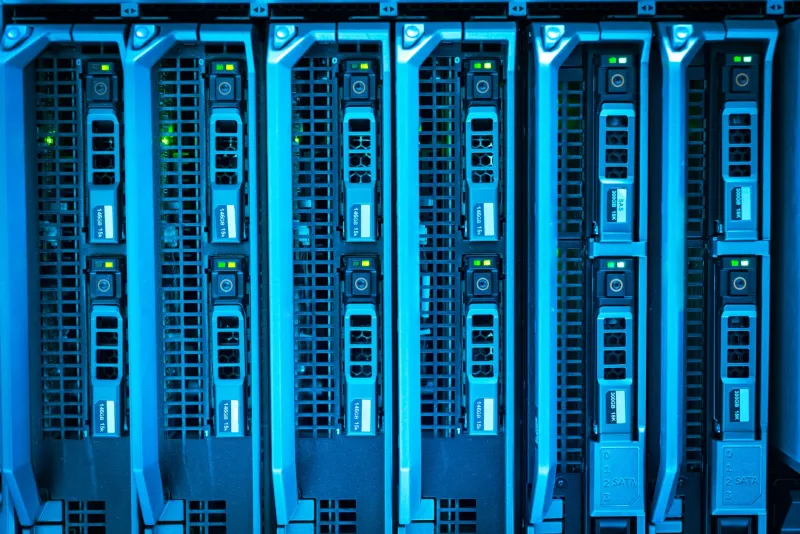
Your betting app isn't just a scoreboard with a deposit button. It's a system of servers, data pipelines, odds engines, and payment processors that either deliver a seamless, sharp experience — or one that's sluggish, stale, and quietly costing you money. The difference between a well-built platform and a clunky one isn't always obvious from the outside. But once you know what to look for, you'll never look at your sportsbook the same way again.
The Odds Engine: Speed Is Everything
Every sportsbook sources odds from somewhere. Some build proprietary pricing models. Others license feeds from third-party data providers. A few do both. What separates the best from the rest is how fast those odds update — and how accurately they reflect real-world market movement.
Here's why that matters for you: sharp bettors and algorithmic traders are constantly scanning multiple books for line discrepancies. When a big injury drops or a weather report shifts, the market moves in seconds. Sportsbooks with faster, more sophisticated odds engines update almost instantly. Slower platforms lag — sometimes by 30 seconds, sometimes by several minutes.
For a recreational bettor placing a standard pre-game wager, a 90-second lag probably doesn't change much. But if you're doing any kind of line shopping, live betting, or trying to catch value before it disappears, you're at a real disadvantage on a slower platform. You're essentially seeing yesterday's menu at a restaurant that already changed the prices.
Live Betting Infrastructure: Where the Gap Gets Brutal
Live betting is where platform quality differences become impossible to ignore. The in-game wagering experience requires real-time data ingestion, sub-second odds recalculation, and rock-solid uptime during peak traffic — like the fourth quarter of a playoff game when half the country is trying to bet at the same time.
Platforms built on modern cloud infrastructure (think distributed servers, auto-scaling during traffic spikes) handle these moments without breaking a sweat. Older systems built on legacy architecture buckle under pressure. You've probably seen this firsthand — the app freezes right when you're trying to lock in a bet, the line suspends for an unusually long time, or your wager sits in "pending" purgatory long enough that the moment has completely passed.
That's not bad luck. That's infrastructure failure. And it's costing you bets.
Some platforms also have wider "suspension windows" — periods where live odds are pulled entirely while the system recalculates. A well-engineered book minimizes those windows. A poorly engineered one leaves them wide open, which means fewer betting opportunities for you and more protection for the house.
Data Integration: What Your Book Actually Knows
The quality of a sportsbook's data partnerships has a direct impact on the markets they offer and how sharp those markets are. Top-tier platforms integrate with multiple official data providers — league partnerships, tracking data, real-time injury feeds. This lets them offer deeper prop markets, more accurate live lines, and faster reaction to breaking news.
Smaller or less-invested platforms often rely on a single, cheaper data source. That can mean slower injury updates, thinner prop markets, and odds that haven't fully accounted for a key piece of information that's already public knowledge. Ironically, that can create brief windows of opportunity for bettors who are paying attention — but it also means those books might be quicker to void bets or limit accounts when they realize they've been caught with stale data.
The practical takeaway: if you notice a book consistently offering interesting prop lines that disappear fast, or if their live markets are thinner than competitors, their data pipeline is probably the reason.
Payout Speed and Payment Infrastructure
This one hits differently. Nobody wants to wait five business days to access money they just won. Payout speed is directly tied to payment processing infrastructure — specifically, whether a sportsbook has invested in modern payment rails like same-day ACH, digital wallets, or crypto settlement options.
Better-built platforms have automated payout systems that process withdrawals with minimal manual review. Older systems require more human intervention, which slows everything down. Some books also use payout speed as a soft tool to reduce churn — making it slightly inconvenient to pull money out encourages bettors to leave it in and keep playing. That's not a conspiracy theory; it's documented behavior in the industry.
When evaluating a sportsbook, look at their stated withdrawal timelines, check independent user reviews specifically about payouts, and note whether they offer multiple withdrawal methods. A book that only offers slow bank transfers in 2025 is telling you something about how much they've invested in the user experience overall.
Account Management and Bet Limits: The Hidden Tech Policy
Here's something most bettors don't realize: the way a sportsbook manages sharp accounts is often automated. Platforms with sophisticated risk management systems can flag winning patterns, trigger account reviews, and adjust bet limits algorithmically — sometimes without any human ever reviewing your account.
This matters because platforms with more advanced risk systems are quicker to identify and limit sharp bettors. That's bad if you're winning consistently. But it also means those platforms are pricing their lines more accurately, since they're defending against sharps. Books with weaker risk infrastructure may be slower to limit accounts but also tend to have softer, less efficient lines — which can actually create more opportunity if you know where to look.
Understanding this dynamic helps you choose the right book for the right bet. You don't have to be loyal to one platform.
How to Evaluate a Platform Before You Commit
You don't need a computer science degree to assess a sportsbook's tech quality. Here's a practical checklist:
- Test live betting during a high-traffic game. If the app slows down or suspends lines constantly during a Sunday afternoon NFL slate, that's a red flag.
- Track how fast odds update after breaking news. Drop a player injury into Google and immediately check the line on your book. How long does it take to move?
- Request a small withdrawal early. Don't wait until you've won big to discover your book takes 10 days to pay out.
- Check the prop market depth. More props, more player-specific markets, and more live options generally signal better data integration.
- Read recent user reviews focused on technical issues. Reddit forums like r/sportsbook are gold mines for real user experiences with specific platforms.
The Bottom Line
Betting smart means more than picking winners. It means understanding the ecosystem you're operating in — including the technology that sits between your bankroll and your potential profit. Some platforms are built to give you a fair, fast, and feature-rich experience. Others are running on systems that were modern five years ago and haven't kept up.
At 8KBet, we believe the best bettors treat platform selection like part of their overall strategy — because it genuinely is. The right book for your betting style, the one with the infrastructure that matches how and when you like to play, is an edge most people leave on the table without ever knowing it was there.
Bet big. Play smart. Start by knowing what's powering the game.